
Best Protein Powders for Diabetics: Are They Safe? Benefits, Risks & Buying Guide
Best Protein Powders for Diabetics: Are They Safe? Benefits, Risks & Buying Guide
If you have diabetes, a protein shake may sound convenient. But protein powders for diabetics are not automatically safe because they contain protein or display a low-sugar claim. The nutrition label, serving size, medications, kidney health, allergies, and meal plan all matter. This report explains benefits, risks, label checks, suitable protein types, and questions to discuss with your healthcare team.
Why People Ask Whether Protein Powder Is Safe for Diabetes
Protein can support muscle maintenance, recovery, fullness, and balanced meals. Powder may help when appetite is low or food does not meet an individualized target. However, diabetes nutrition is not based on one ingredient. The American Diabetes Association emphasizes non-starchy vegetables, lean or plant proteins, quality carbohydrates, and suitable portions.
A “high protein” product can still contain added sugar, refined carbohydrate, saturated fat, or oversized servings. Some powders include herbs, stimulants, or sugar alcohols unsuitable for certain users. Anyone taking glucose-lowering medicine should understand how a shake fits into carbohydrate intake and monitoring.
What Should Diabetics Look for in a
Protein Powder?
Protein amount: Choose a serving that fits your personal daily target rather than assuming more is better
Total carbohydrate and added sugar: Count the full carbohydrate amount, not only the words “sugar-free” or “keto.”
Fiber: Fiber can support fullness and may reduce the glucose impact of a mixed meal, although tolerance varies.
Fat and sodium: Review saturated fat and sodium when heart, blood-pressure, or kidney concerns are present.
Ingredients and sweeteners: Check for allergens, sugar alcohols, stimulants, herbal blends, and digestive triggers.
Independent certification can help confirm label accuracy, but does not prove diabetes benefits. Avoid proprietary blends that hide amounts.
Potential Benefits of Protein Powder for People With Diabetes
When selected carefully and used within a balanced eating plan, protein powder may offer practical advantages:
A convenient protein source for breakfast, travel, exercise recovery, or reduced appetite.
Greater fullness when combined with fiber-rich foods and an appropriate carbohydrate portion.
Support for maintaining muscle, particularly for active adults and some older people.
Easier portion consistency compared with sweetened café shakes or unmeasured homemade drinks.
These are convenience benefits, not evidence that powder treats diabetes. Protein does not cancel carbohydrates in fruit, milk, juice, oats, or mix-ins. The entire shake affects glucose response. Track readings as directed by your care plan.
Possible Risks and Side Effects to Consider
The safest choice depends on the person, not only the brand. Common concerns include:
Hidden sugars or large carbohydrate servings that raise blood glucose more than expected
Digestive symptoms from lactose, gums, inulin, artificial sweeteners, or sugar alcohols.
Allergic reactions to milk, soy, egg, pea, or another protein source.
Excess calories when shakes are added to meals instead of replacing an intended snack or food.
Inappropriate protein, potassium, phosphorus, or sodium levels for someone with kidney disease.
Anyone with chronic kidney disease needs individualised protein guidance. Powders should not replace prescribed medicine. Seek urgent care for a serious allergic reaction, severe symptoms, or significant unexpected glucose changes.
Whey, Casein, or Plant Protein: Which Is Better?
No single type is best. Whey protein is a complete, quickly digested dairy protein but may bother people with milk allergy or lactose sensitivity, depending on processing. Casein digests more slowly and is also milk derived. Unsweetened whey isolate may contain less lactose than concentrate, but labels vary.
Plant protein powders may use pea, soy, rice, hemp, or blends. They can suit vegan diets and dairy avoidance, yet amino-acid profiles, texture, carbohydrate, and allergen risks differ. Soy is a complete protein, while blended plant sources may provide a broader amino acid profile. The best option fits your health needs, eating pattern, tolerance, budget, and nutrition targets—not a universal ranking.
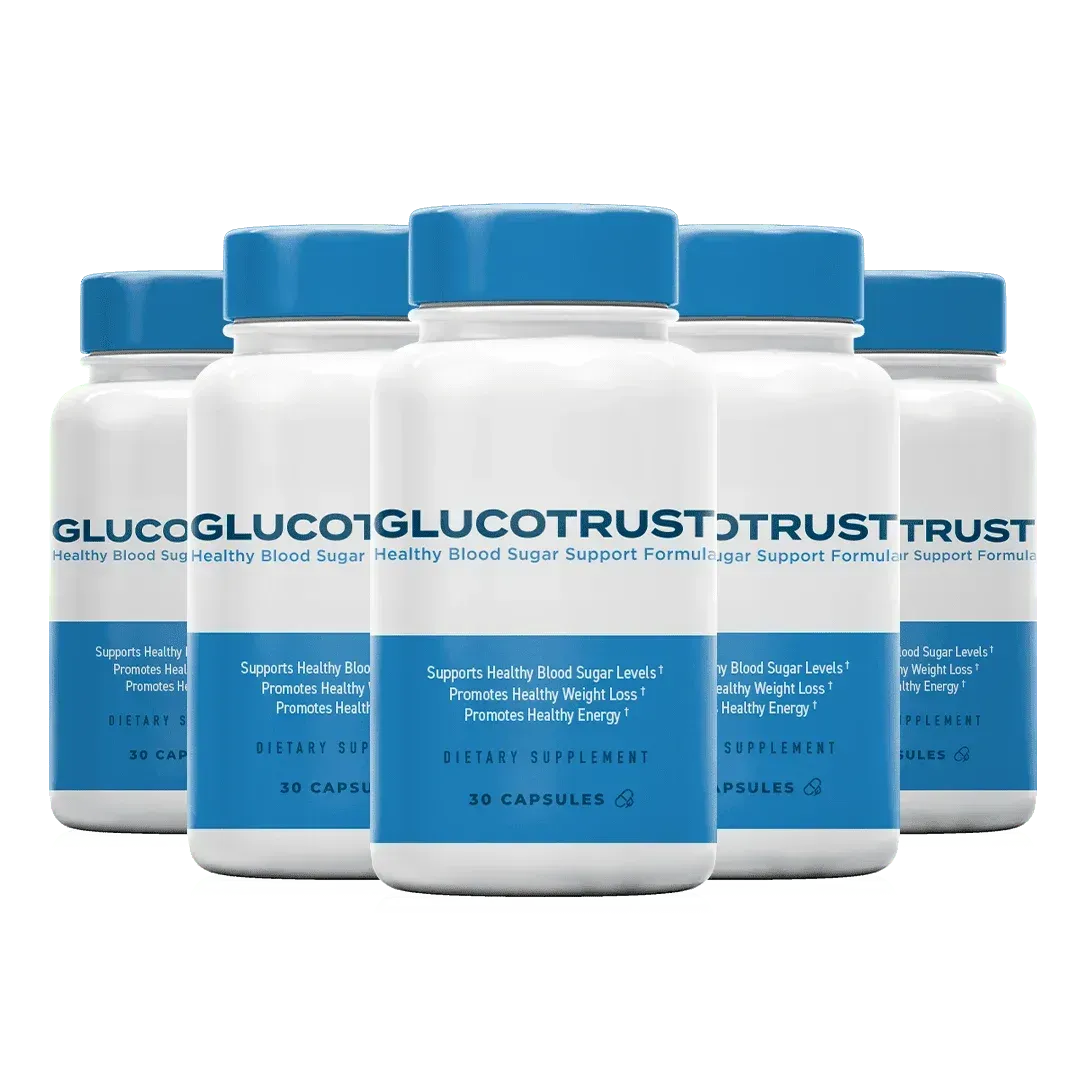
Protein Powder vs GlucoTrust Supplement Claims
Search results may mix protein products with blood-sugar supplements. They are not interchangeable. Protein powder is primarily a concentrated food ingredient, whereas a GlucoTrust supplement is marketed through vitamins, minerals, and botanical ingredients. Searches for GlucoTrust ingredients, GlucoTrust reviews, GlucoTrust Amazon reviews, or does GlucoTrust really work address a different product category.
The same evidence rules still apply. Customer stories cannot prove effectiveness, and dietary supplements are regulated differently from prescription drugs in the United States. Questions such as is GlucoTrust safe, is GlucoTrust for real, or the unusual search phrase GlucoTrust Colibrim should be answered using the current label, credible evidence, seller verification, and professional advice. Never combine several supplements without checking for duplicated ingredients or interactions.
How to Choose and Use Protein Powder More Safely
Ask a clinician or registered dietitian for a suitable protein and carbohydrate range, especially with kidney disease.
Choose a short, transparent ingredient list with minimal added sugar and no unnecessary stimulant blend.
Review total carbohydrates and measure every ingredient added to the shake.
Start with a smaller serving if your healthcare professional agrees, and monitor tolerance and glucose appropriately.
Buy from a traceable seller and look for credible independent quality certification.
Store and prepare the product exactly as directed; do not use damaged, expired, or recalled powder.
If browsing the GlucoTrust official website, comparing GlucoTrust price, or planning to buy GlucoTrust, evaluate it separately from protein powder. Phrases such as GlucoTrust buy do not establish safety or suitability. Neither product should replace medication, glucose monitoring, or an individualised eating plan.
Final Verdict: Are Protein Powders Safe for Diabetics?
Protein powder can be appropriate for some people with diabetes, but safety depends on the complete product and individual health needs. A low-added-sugar powder with a transparent label may fit a clinician-approved meal plan, while a sweetened mass gainer or complex herbal blend may not. Kidney function, allergies, digestive tolerance, medicines, portion size, and the ingredients mixed into the shake all change the answer.
Focus on total nutrition rather than marketing language. Read both labels, compare servings, avoid cure claims, and ask your healthcare team how the product fits your goals. Healthy eating over time—not one powder—supports diabetes management. When food already meets your protein needs, a supplement may offer little advantage. When convenience or intake is a genuine problem, an appropriately selected powder can be a useful tool rather than a treatment.


Copyright © 2025 GlucoTrustPill - All Rights Reserved.